Non-dairy, calcium-rich foods and beverages for your teeth | MouthHealthy - Oral Health Information from the ADA

Non-dairy, calcium-rich foods and beverages for your teeth

Caring for your teeth means more than brushing and cleaning between them every day. It also means paying attention to what you eat and drink.

One of the most important nutrients for healthy teeth is calcium. Calcium strengthens the hard outer shell of your tooth called enamel, which is your teeth’s defense against erosion and cavities. Calcium is especially important as you get older to prevent bone loss or osteoporosis. Osteoporosis can happen in the jawbone and when it does, may lead to your teeth becoming loose or falling out.

To protect your teeth and get the daily recommended amount of calcium based on your age, many people turn to dairy products like milk, cheese and yogurt. If you’re lactose intolerant or need to limit dairy, there are several non-dairy foods and beverages that can still give you the calcium you need.

Calcium is found naturally in some foods and drinks, while others — such as plant-based milk, juice, tofu and even waffles — are now fortified with added calcium. Fortification is the practice of adding essential vitamins and minerals to foods to increase their nutritional value.


Plant-based milks (with added calcium)

Glass of soy milk.

Of the popular plant-based milk options, soy milk is closest to cow’s milk when it comes to nutritional content, offering similar amounts of protein and healthy fats. While natural soy milk has less calcium than cow’s milk — only around 60 mg per 1-cup (8oz) serving — soy milk fortified with calcium contains 200–400 mg per cup, meaning it ends up with just as much or more calcium than cow’s milk.

Anyone who is allergic to soy products should not drink soy milk. Other non-dairy milks that are commonly fortified with calcium include almond milk, oat milk and coconut milk. To avoid added sugar in your diet, choose an unsweetened plant-based milk.

Orange juice (with added calcium)

Glass of orange juice.

Oranges naturally have a bit of calcium, but many varieties of orange juice (already a top source of vitamin C) now come fortified with calcium. For example, frozen orange juice from concentrate with added calcium contains 1300 mg of calcium per cup. That’s your daily recommendation in just one glass!

Juice, however, can be high in sugar, so drink it in moderation. If your child drinks juice, make sure to serve the recommended, age-appropriate limits.

Tofu (with added calcium)

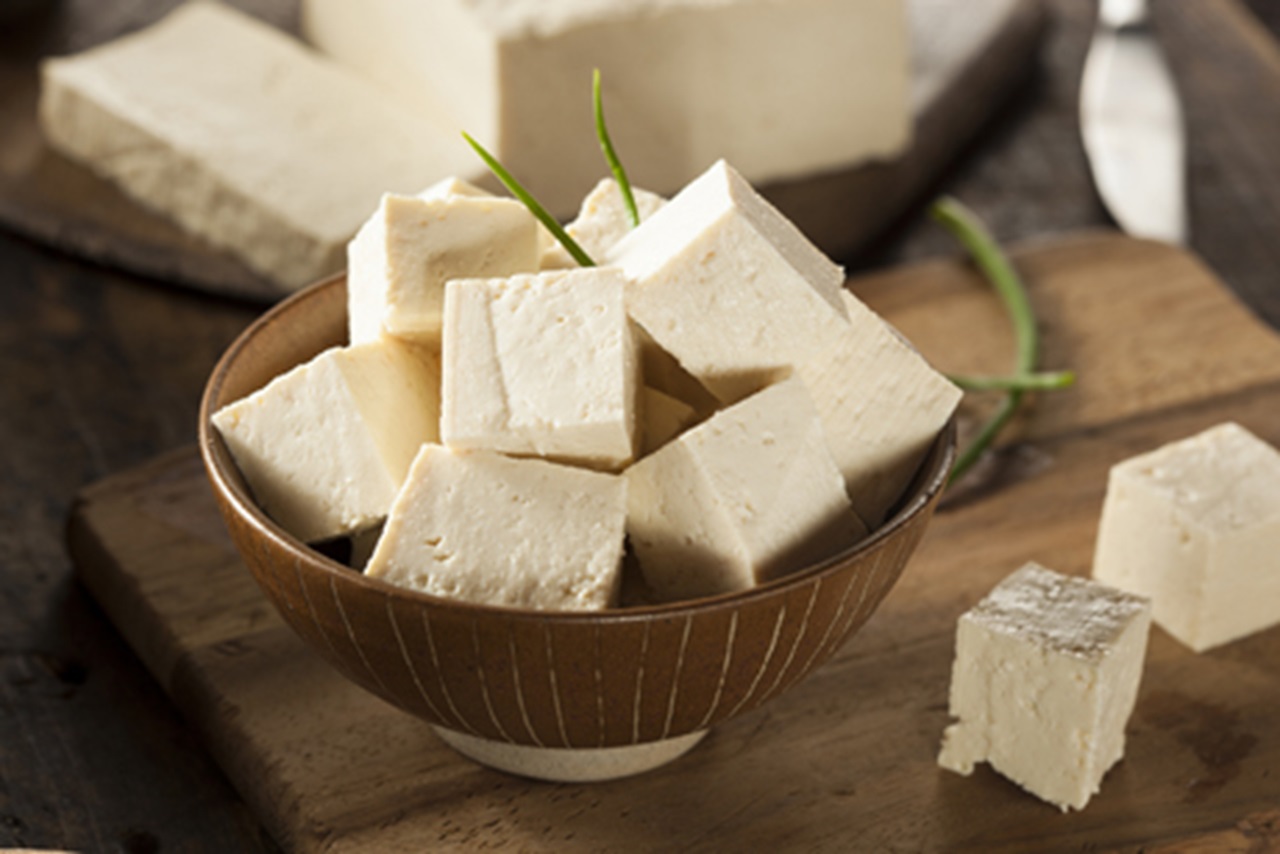
Bowl of large tofu cubes.

When it’s fortified with calcium, tofu is a smart choice for your teeth. Raw, firm tofu with added calcium packs up to 750 mg of calcium per half cup. Tofu without added calcium comes in up to 200 mg per serving. Tofu is naturally gluten-free and contains no cholesterol. It’s also an excellent source of protein, so add it to scrambles, stir-fry, salads and more.

Canned fish

Open canned sardines.

Canned fish, like sardines (382 mg per serving, about a half cup) and salmon (180 mg per 3 ounce serving), can do a body good – if you eat the bones. The bones are where most of the calcium resides. Because the bones are soft, you can mash and serve them so they’re undetectable in many dishes. Create a spread to serve on toast or make fish cakes. And if you like whole sardines or chunks of salmon, add them to salads. If you’re thinking pizza — anchovies, anyone?

Beans

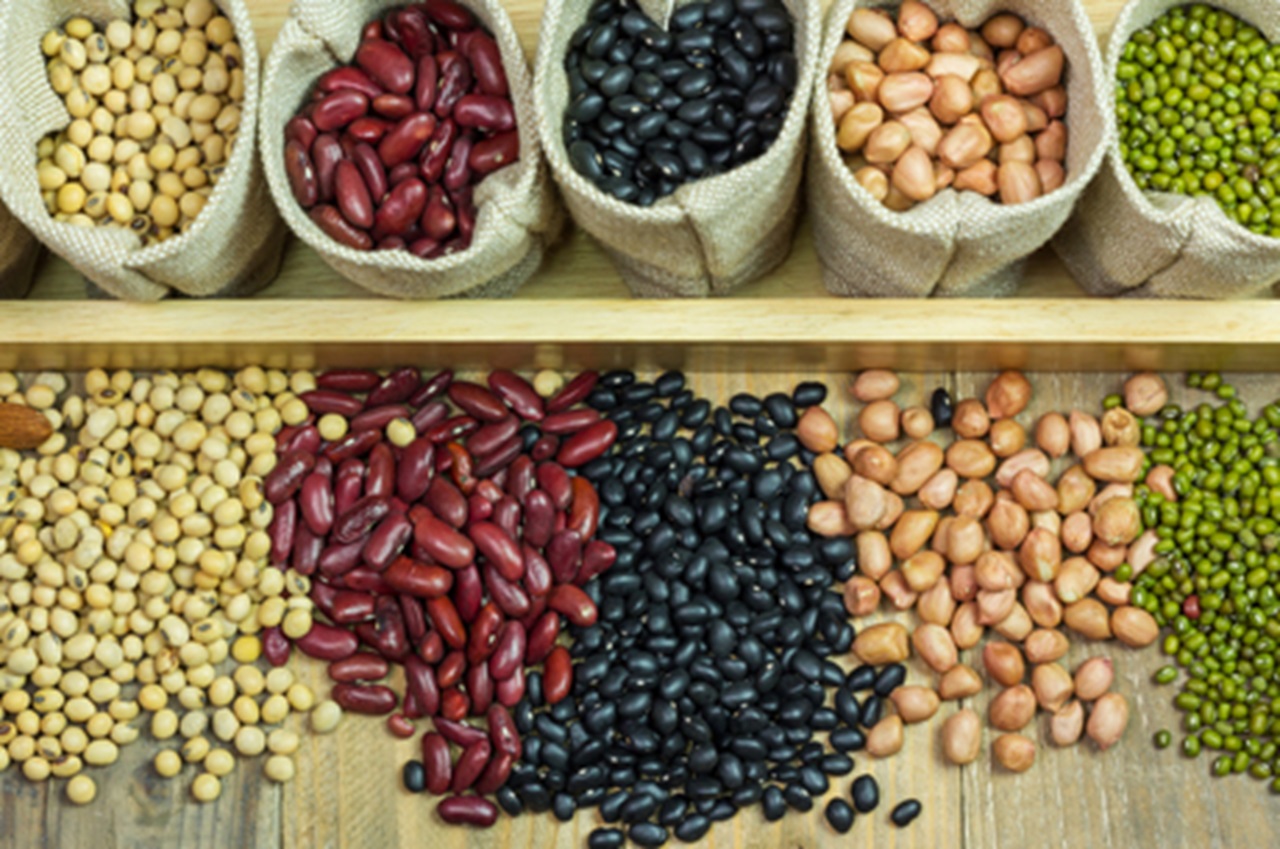
Nondairy calcium beans.

Beans fuel you with protein, fiber and plenty of vitamins and minerals, in addition to being a solid source of calcium. In just one cup, soybeans deliver 515 mg of calcium, white beans bring 120 mg and kidney beans clock in with 62 mg. Eat them roasted or steamed, whip them into a dip or add them to soups or salads.

Almonds

Bowl of almonds.

At more than 270 mg of calcium per cup, almonds are a great snack that contain healthy fats, fiber, magnesium and vitamin E. Reach for a handful as an afternoon snack instead of something sweet, and you’ll feel full till dinnertime!

Leafy green vegetables

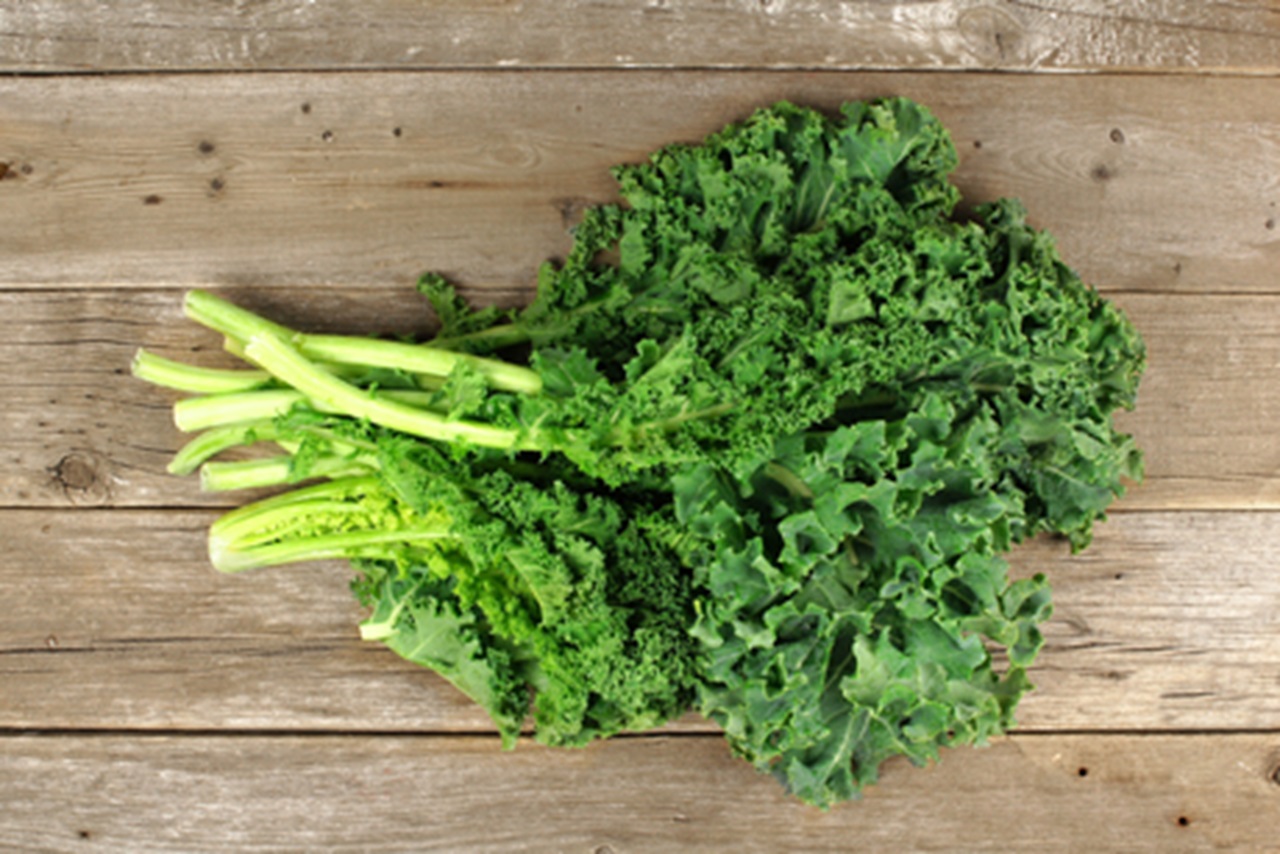
kale

Think green when you want to add a nutritional boost to your plate. Leafy green vegetables like kale (90 mg per cup), frozen collard greens (260 mg per cup) and cooked spinach (245 mg per cup) provide you plenty of calcium. They are powerhouses when it comes to nutrients, low in calories and high in fiber.
Last updated April 2026