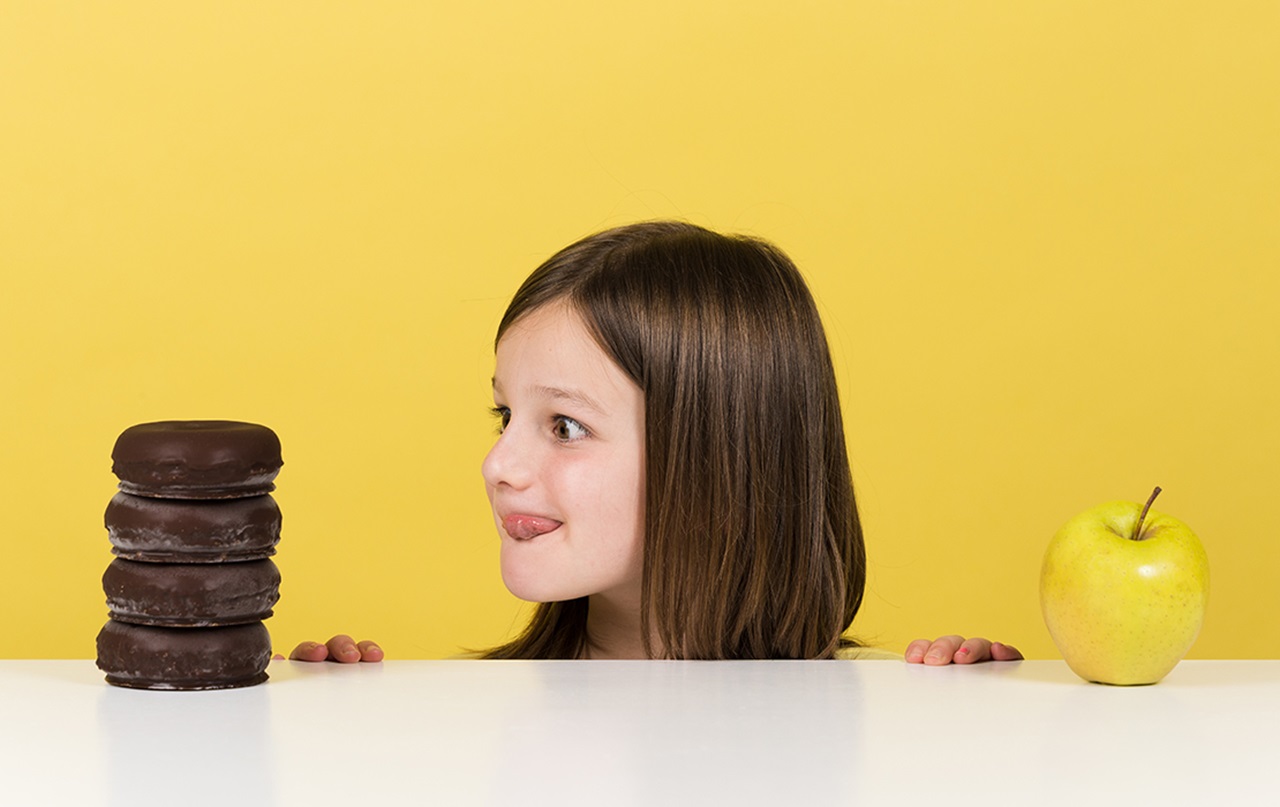
When working with young patients, pediatric dentist and ADA spokesperson Dr. Mary Hayes teaches them this simple but important saying: “Sugar is fun to eat, but not good for your teeth!”
That’s because your child might love sweet treats, but the bacteria in their mouth loves them even more. “Sucrose (sugar) is the ‘food’ for the bacteria that cause tooth decay,” Dr. Hayes says. “Those bacteria produce acid that etches away the teeth.”
Limiting the amount of sugar your family eats is good for everyone’s dental and overall health. Here are some dentist-recommended ways to start saying goodbye to unnecessary sugar throughout the day.
Know the Limits
When choosing a snack, keep an eye on added sugars (sweeteners that are added to prepared foods). Added sugars provide no health benefits and are harmful to dental and overall health. Naturally occurring sugars are less worrisome, as they are found in healthy choices like plain milk and fruit.
The U.S. Department of Agriculture’s Dietary Guidelines for Americans, 2025–2030 (PDF) do not recommend added sugars at any age as part of a healthy and nutritious diet, but if eaten, no more than 10 grams should be part of each meal. The guidelines specify that you should avoid giving any added sugars to infants and children under five.
When selecting snacks for your child, try following the U.S. Food and Drug Administration’s “Healthy” claim limits. For example:
- Grain snacks (like crackers) should have no more than 5 grams of added sugar per ¾ ounce.
- Dairy snacks (like yogurt) should have no more than 2.5 grams of added sugar per ⅔ cup.
To help you identify added sugars, look for ingredients that include the word “sugar” or “syrup” or end in “-ose.”
The Truth About Juice
Juice is high in sugar and calories, making it an unhealthy choice for your child. Water and plain milk are always the best beverage options. If your child is under 1 years old, the American Academy of Pediatrics suggests completely removing juice from their diet.
Children over 1 can occasionally drink juice, but if they do, remember:
- According to pediatric guidelines, children ages 1–3 should have no more than 4oz. of juice each day; children ages 4–6 should be limited to 4–6oz.; and children ages 7–18 should drink no more than 8oz.
- Juice should only be given during mealtimes, not in between. Any juice that isn’t finished during a meal should be cleaned up.
- Allowing your child to sip on juice throughout the day or at nighttime puts their dental health at risk because cavity-causing bacteria have more time to produce the acid that eats away at teeth.
- This can also happen with juice that is watered down. Even though the volume of sugar has decreased, you’ve added the time that it takes to drink it.
Skip the Soda
Call it soda, call it pop. But soft drinks by any name are bad news for your child’s teeth.
Not only are these drinks often packed with sugar, but their bubbly fizz means they are more likely to be acidic. Even when they’re sugar-free, carbonated beverages have acids that wear away at your protective enamel (the hard, outer layer of your teeth) in a process known as tooth erosion. When enamel breaks down, teeth are more vulnerable to cavities and infection.
A February 2016 study in the Journal of the American Dental Association found a strong association between sugary drinks and poor dental health in teenagers. Researchers asked teens in Mexico about how many sugary beverages they drank, then examined their teeth. They found 31.7% had tooth erosion, which means their enamel had been eaten away. The main culprit? Soda.
Be Picky About Sticky Snacks
If you’ve been under the impression that gummy or sticky fruit snacks are healthy alternatives, you’re not alone.
Many parents are surprised to learn these snacks are closer to candy than fruit, especially when it comes to sugar. “While these items do have fruit content in their ingredients, they are not mouth healthy choices,” says ADA spokesperson Dr. Mirissa Price. “They are high in sugar and they also take a long time to clear from the mouth, often sticking to tooth surfaces for hours.”
Foods like raisins, which are often promoted as an all-natural snack option, can be troublesome for that reason. Dried fruit will stick around and feed the cavity-causing bacteria until you do a thorough job brushing and cleaning between your teeth.
“Because our teeth are quite literally stuck to these foods for hours, they can be worse than drinking a glass of sugar-filled chocolate milk or eating a strawberry dipped in chocolate,” says Dr. Price.
Serve Carbs with Care
Whether it’s the crunch or the fact that they’re often shaped like their favorite animals, kids love crackers and chips.
The truth? “Many crackers are cookies with salt,” Dr. Hayes says. Not only do the carbohydrates in crackers and chips break down into sugar, they also tend to get stuck in chewing surfaces for long periods of time.
Set an Example
You’d do anything for your kids. Now, are you ready to do all of the above for yourself, too?
Setting an example can make a big difference in your whole family’s health. Eat well, brush twice a day and clean between your teeth once a day. Also, be sure that you and your child visit the dentist regularly. Your child should visit the dentist by their first birthday.
“The key to a mouth healthy diet is balance. While it is okay to have treats on occasion, our teeth do best when we choose healthy foods and drinks throughout the day,” says Dr. Price.
Last updated January 2026