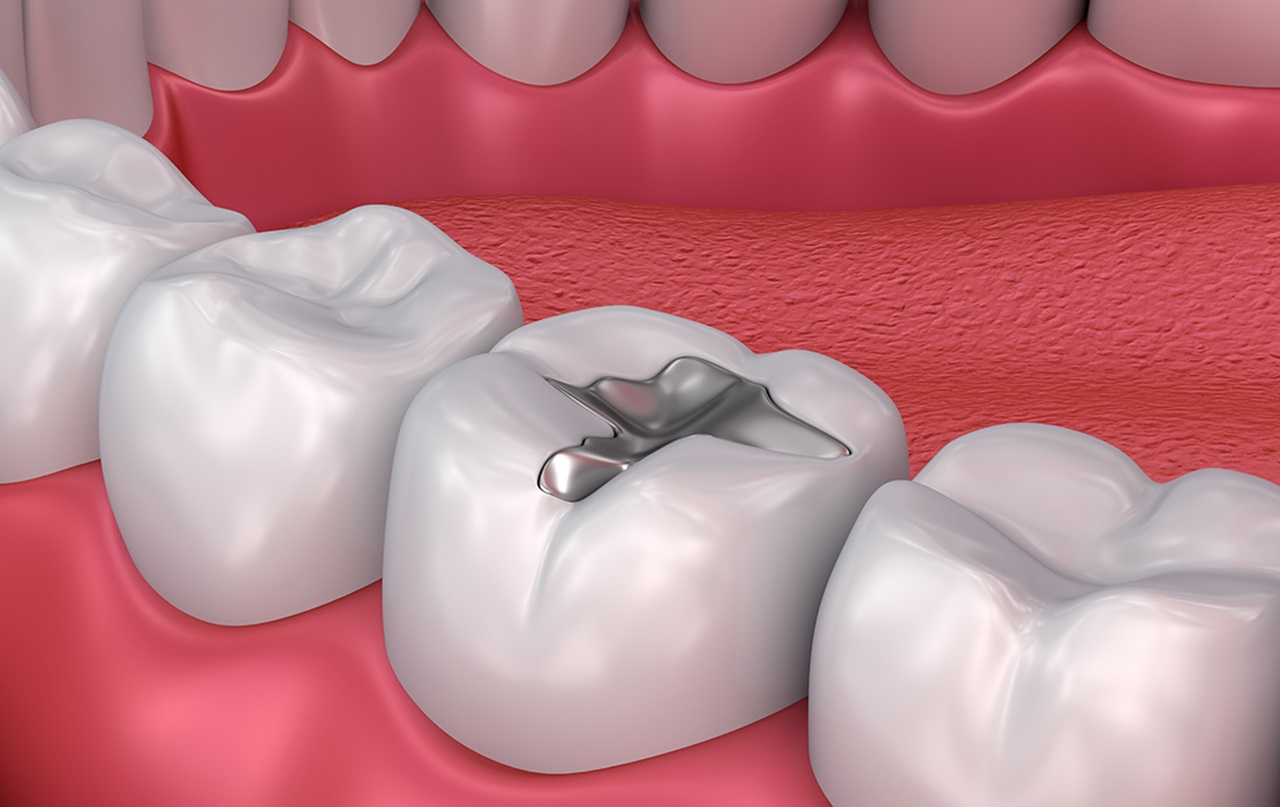
For more than 100 years, dentists have used dental amalgam to fill cavities because the material is safe, affordable and durable. Other filling options include tooth-colored composites, glass ionomers and ceramic, zirconia or gold inlays/onlays.
You have the right to decide, after consultation with your dentist, what treatments and materials are used for your dental care. Being aware of cavity-filling materials and their unique characteristics can help you make informed choices about your smile.
What is dental amalgam?
Dental amalgam is a silver-colored material made from a combination of metals including silver, copper, tin, zinc, and mercury. It may be the best option to repair a tooth if you have a large cavity in a back molar or a cavity below your gumline.
What are the benefits of dental amalgam?
Dental amalgam is used as a cavity filling material because:
- Dental amalgam is durable. The strength of dental amalgam makes it a good choice for large cavities or those that occur in the back teeth where a lot of force is needed to chew.
- Dental amalgam hardens quickly. This makes the material useful in areas that are difficult to keep dry during placement, such as below the gumline.
- Dental amalgam takes less time. Because it takes less time to place than other fillings, amalgam is an effective material for children and special needs patients who may have a difficult time staying still during treatment.
- Dental amalgam is affordable. Dental amalgam is less expensive than other cavity-filling materials.
What are the disadvantages to dental amalgam?
Characteristics of dental amalgam that may make it a less desirable cavity-filling option include:
- Appearance. Because of the silver coloring, dental amalgam fillings are not natural looking, especially when the filling is near the front of the mouth, where it may show when you laugh or speak. These days, even amalgam fillings for back teeth are not as popular as the more natural-looking tooth-colored composites.
- Preparation. To prepare the tooth, your dentist may need to remove more tooth structure to place an amalgam filling than for other types of fillings.
Is dental amalgam safe?
According to the best-available scientific evidence, dental amalgam remains a safe and effective option for filling cavities. Although mercury use in health care has been declining for decades as alternatives have become more widely available, it’s important to know:
- While there is mercury in dental amalgam, when combined with the other metals, it forms a safe, stable material.
- Amalgam fillings release an extremely small amount of mercury vapor—so small it’s in the billionths of an ounce.
- Dental amalgam does not contain methylmercury, which is what you hear about in connection with seafood. Methylmercury is of greater concern to human health.
- Credible scientific studies affirm the safety of dental amalgam. Study after study shows amalgam is safe and effective for filling cavities.
- To date, there has been no properly designed scientific study demonstrating that dental amalgam causes any long-term health effects or disease.
- Your existing amalgam fillings are safe and don’t need to be removed as long as they are in good condition.
The American Dental Association, U.S. Centers for Disease Control and Prevention, and World Health Organization all agree that based on extensive scientific evidence, dental amalgam is a safe and effective cavity-filling material.
The Alzheimer’s Association, American Academy of Pediatrics, Autism Society of America and National Multiple Sclerosis Society—all science-based organizations like the ADA—also say that amalgam poses no health risk. The U.S. Food and Drug Administration (FDA), while noting that studies show no conclusive evidence that dental amalgam causes harmful health effects, recommends that certain high-risk groups avoid this filling material if possible and appropriate.
The ADA supports continued research on all dental filling materials and would promptly inform the public if the scientific community and government regulatory bodies determined that any cavity filling material was unsafe for patients.
Is dental amalgam harmful to the environment?
The continued use of mercury in several industries including health care has raised questions about environmental impact, but dental amalgam is not a significant source of environmental waste. Less than 1% of mercury released to the environment from man-made sources comes from dentistry, according to the EPA.
Since 2020, dentists in the U.S. have used devices known as amalgam separators to prevent the release of particles into the environment and allow for the long-term collection of retained amalgam over a long period of time to be recycled.
Talk to your dentist about cavity treatment
Your dentist’s foremost priority is your health and safety.
Dentists base treatment recommendations on the best-available scientific evidence, clinical experience, and the health needs and preferences of patients. That’s why the ADA encourages you to talk with your dentist about cavity treatment options and what’s right for you.
Cavity prevention
Ultimately, the best dental filling is no dental filling. Prevention is the best medicine. You can dramatically decrease your risk of cavities and other dental diseases simply by:
- Brushing twice a day with a fluoride toothpaste.
- Cleaning between your teeth daily with floss or interdental cleaner.
- Eating nutritious and balanced meals low in added sugar while limiting snacking.
- Choosing to drink water instead of other beverages, especially if it contains optimal levels of fluoride.
- Visiting your dentist regularly for cleanings and oral examination.
Last updated February 2026